
Call us now
07315122803
Call us now
07315122803

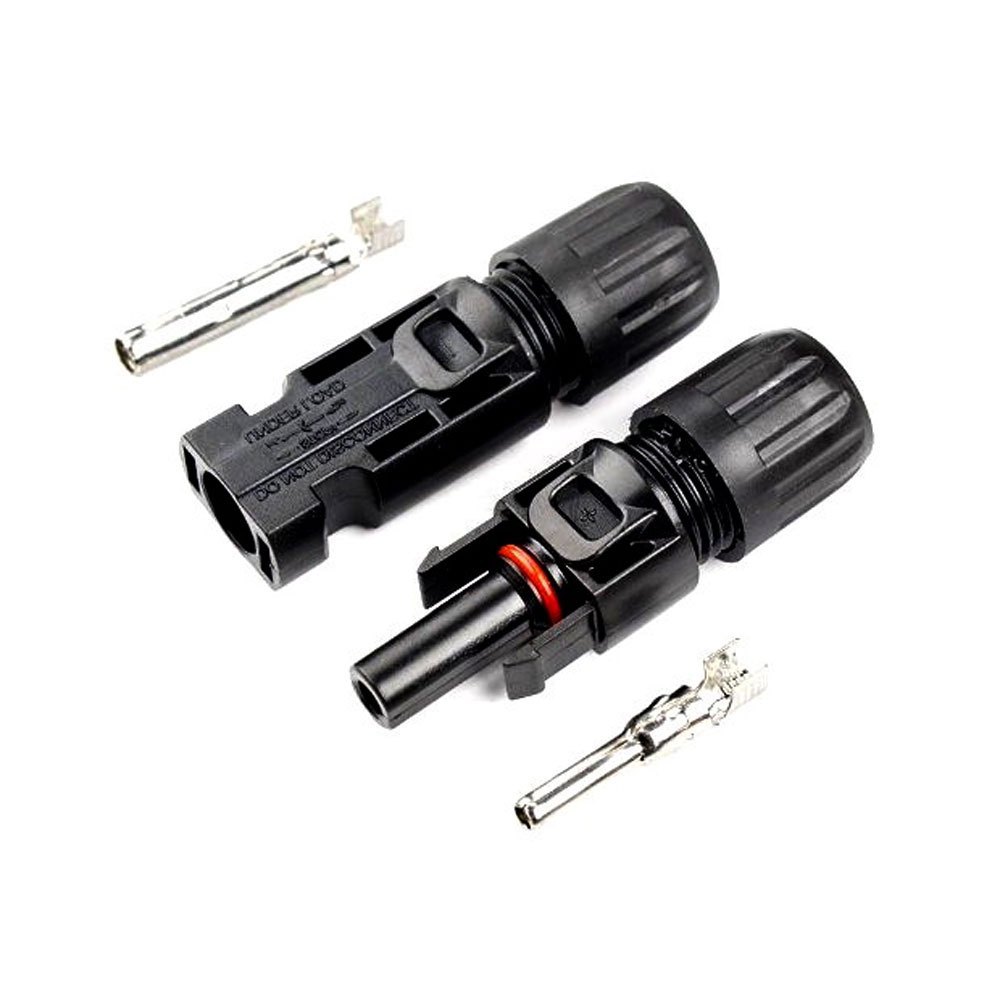
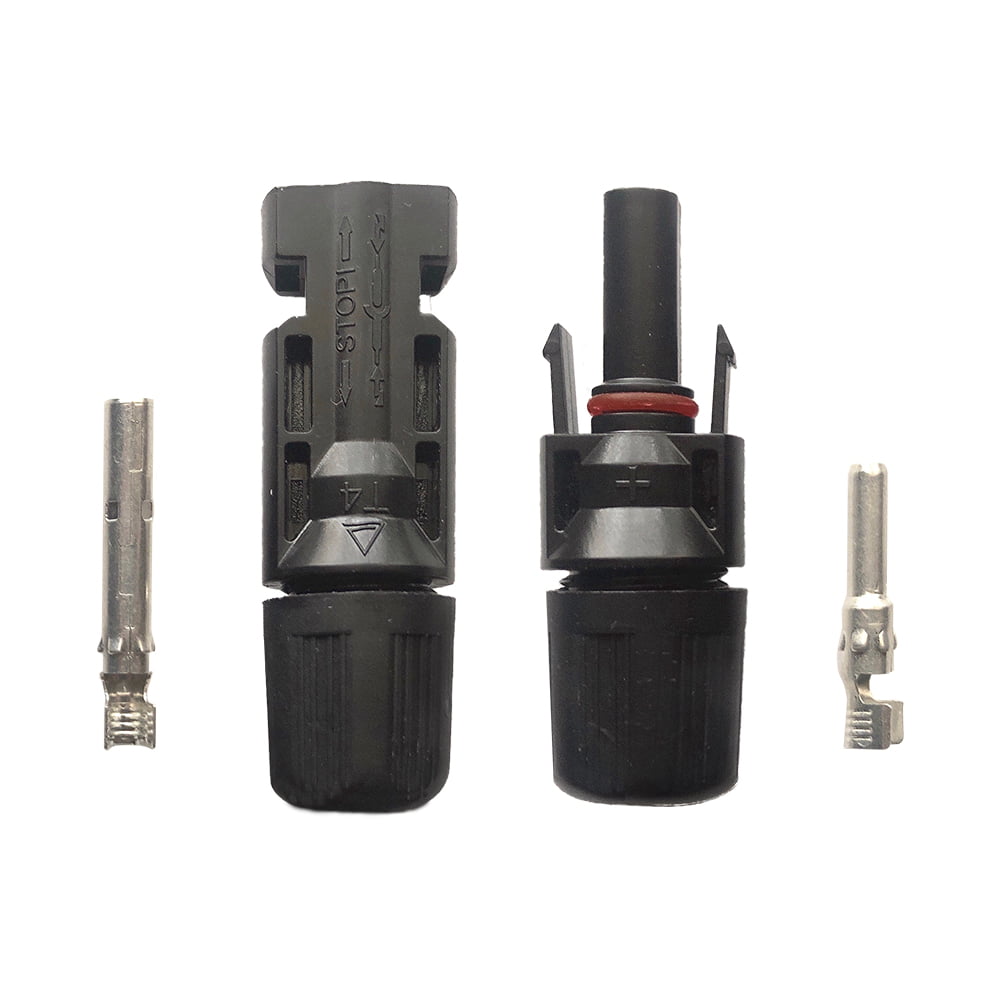
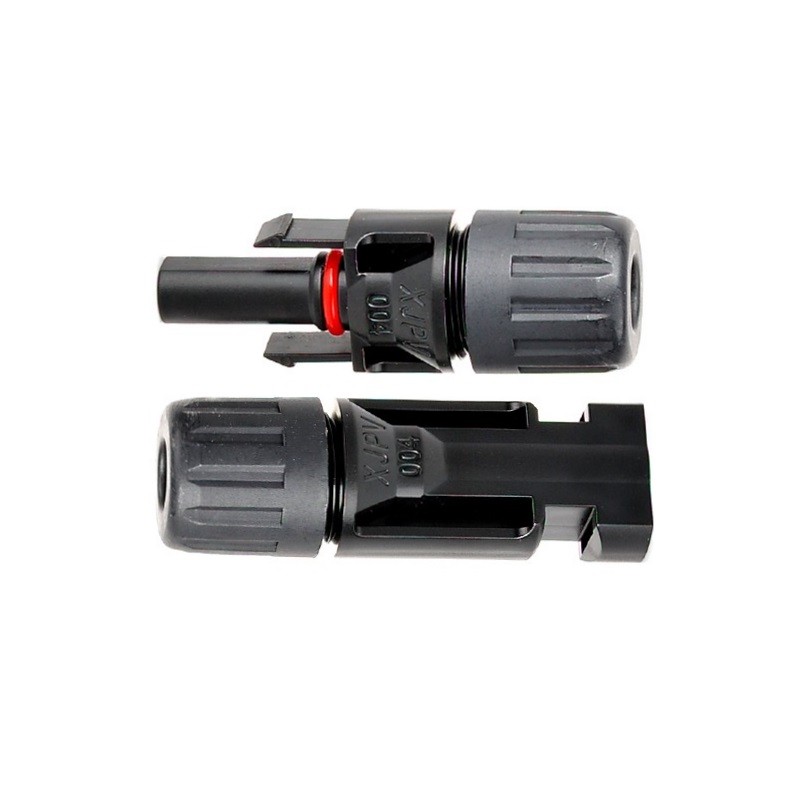
Here are typical / manufacturer specifications:
| Parameter | Value / Range |
|---|---|
| Rated voltage | Up to 1000 V DC for common MC4 versions; newer versions / variants go up to 1500 V DC. |
| Rated current | 30 A (depending on wire size, temperature, connector quality) |
| Contact resistance | Very low, e.g. 0.5 m in many good connectors |
| Protection / sealing | IP68 or similar, to make them weatherproof / watertight. |
| Temperature range | Typical operating from about 40 C to +85 C (or similar ranges) |
| Cable / wire size compatibility | 2.5 mm, 4 mm, 6 mm (and equivalents in AWG) depending on connector model. |
| Durability / lifespan | Designed for long outdoor use (years to decades), UV resistant, robust locking features. |
Plug & play: Easy to connect panels without needing to open junction boxes repeatedly.
Weatherproof & durable: Seals protect contacts from moisture, dust, corrosion.
Standardization / compatibility: Many solar panels, inverters, junction boxes use MC4, making compatibility easier.
Locking mechanism: Prevents accidental disconnection; safer for long cable runs.
High voltage support: Good for modern PV string voltages (up to 1500 V in newer systems).
Low resistance: Good electrical contact ensures minimal losses in the connection.
Do not connect or disconnect under load: Opening under DC current (especially higher than a few volts) can cause arcing, damage contacts, degrade performance.
Must match the same brand/type: Using mis-matched connectors (slightly different dimensions, tolerances) can lead to poor sealing, bad contact, or failure. Some standards / codes require connectors to be from the same origin.
Current & voltage derating: In high ambient temperatures, or long cable runs, you might need to derate the current capability.
Quality matters: Cheap / counterfeit connectors may have poor contact, bad seals, higher resistance, or fail prematurely.
Cable and crimping / tool quality: Proper crimping or soldering and good connectors are essential; poor terminations lead to hot spots or failures.
Wear / maintenance over time: Although long-lasting, connectors may degrade (seal aging, UV exposure) periodic inspection is prudent.
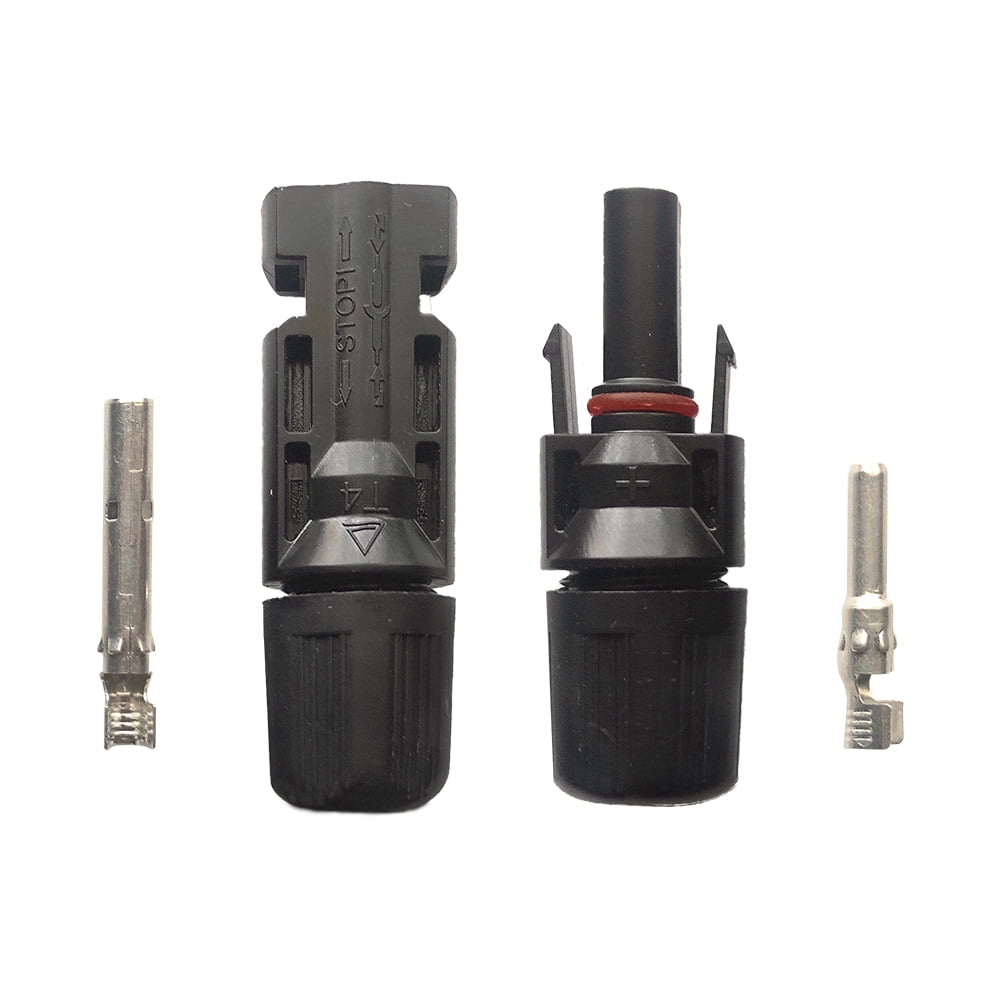

Price:


 Send Inquiry



 Send Inquiry
 Send Inquiry
 Send SMS
 Call Me Free
 English
 Spanish
 French
 German
 Italian
 Chinese (Simplified)
 Japanese
 Korean
 Arabic
 Portuguese